
Hey friends! If you’re like me, you know that creating a daily schedule for a classroom filled with severe and profound special needs can feel a bit overwhelming at times. I get asked this question all the time: “How do you plan your daily schedule? I am so overwhelmed!”
Trust me-once you find a rhythm in this, it becomes a game-changer!
A solid schedule not only helps our students feel secure but also enhances their learning experiences (plus helps make us feel more organized and together). So, let’s dive into how to create a daily schedule that works for your special education classroom!
Step 1: Nail Down Your Non-Negotiables
First things first—let’s talk about the non-negotiables! These are the must-haves that cannot be moved around in your schedule. Here are some key elements to consider:
- Lunch: This is a critical time for our students to refuel and socialize. I find it’s best to schedule lunch when students are alert but also when we have enough staff on hand to assist with feeding, especially for those who need extra help. Your school might also provide you with specific lunch times for your class or stsudents.
- Recess: Fresh air does wonders for all of us, right? Make sure to pick a time when your students can unwind and enjoy some outdoor play. Typically my students go to recess right after lunch and again in the afteroon.
- Specials: Whether it’s art, music, or PE, these scheduled activities are awesome for enriching our students’ experiences and teaching them new things. Get these on your schedule first so you can plan other things around them.
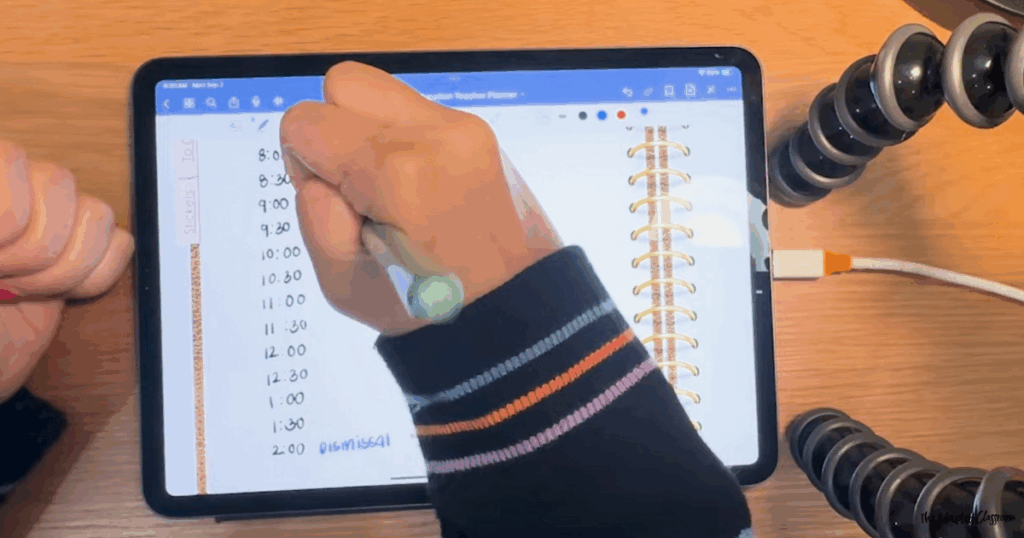
Step 2: Plan Your Core Activities
Now, let’s move on to the core activities that you absolutely want to fit into your day. Think about essential activities like circle time, math, and reading. Here’s how to approach this:
- Be Realistic: Keep your students’ attention spans and energy levels in mind. Short, focused sessions often yield the best results. I like to stick to about 15-20 minutes for reading before we take a sensory break.
- Balance Structure with Flexibility: Sure, having a set time for activities is great, but don’t be afraid to adjust. If your students are engaged and loving a particular activity, extend it! Go with the flow a bit because our students thrive in those moments.
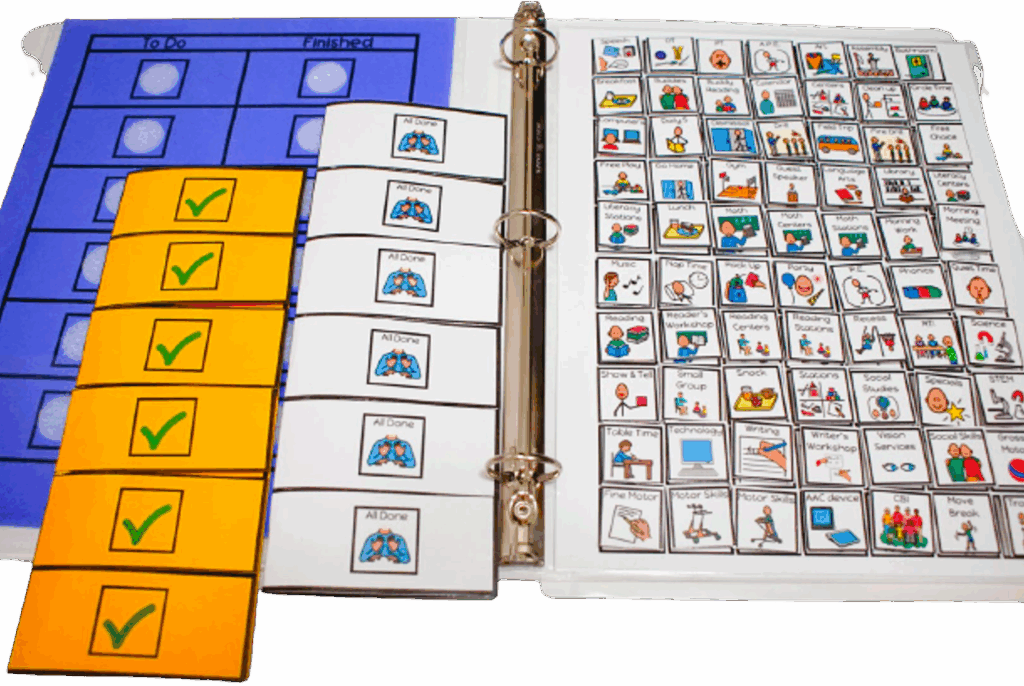
- Use Visual Supports: Visual schedules are incredibly helpful for our kiddos. They let students see what’s next, which can ease anxiety around transitions. Plus, it promotes independence! I use a large visual schedule to display our schedule at the front of the room for all students and staff to see.
Step 3: Incorporate Fun Activities
Now for the fun stuff! Remember, learning doesn’t have to be all work and no play. Including enjoyable activities in your schedule is essential. Here are some ideas for “extras”:
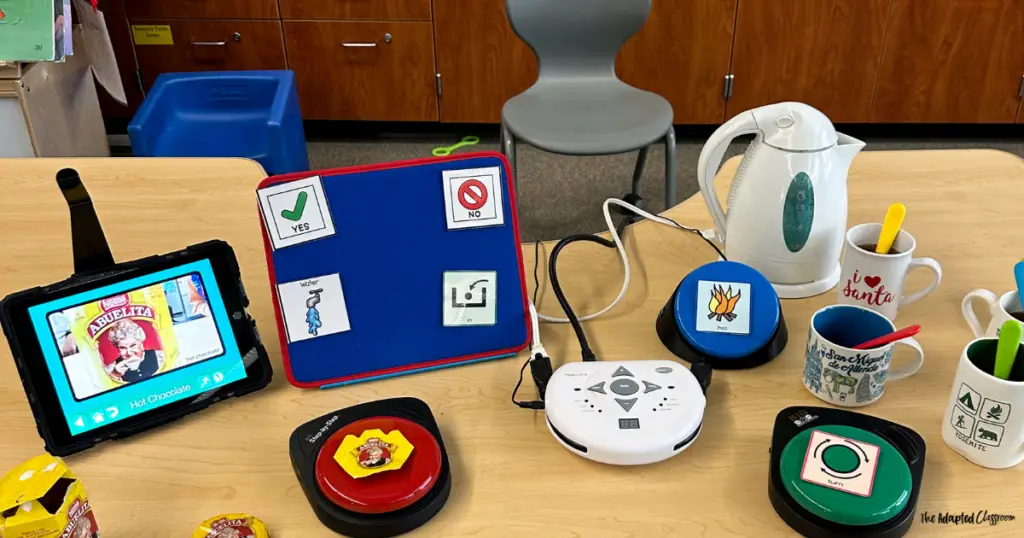
- Cooking: Hands-on cooking experiences can be a fantastic way to teach life skills while having a blast! Plus, there are so many sensory elements involved—texture, smells, and of course, tasting!
- Gardening: Getting outdoors and digging in the dirt can be so therapeutic! Gardening teaches responsibility and connects our students to nature.
- Art and Sensory Play: Creativity is a must! Activities like painting, sensory bins, and simple crafts can provide calming experiences while developing fine motor skills.
- Free Choice: Giving students some time for self-directed play can be a great motivator. Let them explore activities they love—this ownership can make a huge difference in engagement!
Tips for Scheduling Staff Breaks on Schedules
When scheduling staff breaks, you simply have to think about your classroom’s unique needs.
For example, I always avoid scheduling my staff’s lunches during the students’ lunch because they need extra support during that time. Instead, plan breaks during times when you can ensure students are engaged and safe.
A better time for me is during whole group work, so my staff takes turns going to lunch then.
Your New Planning Bestie
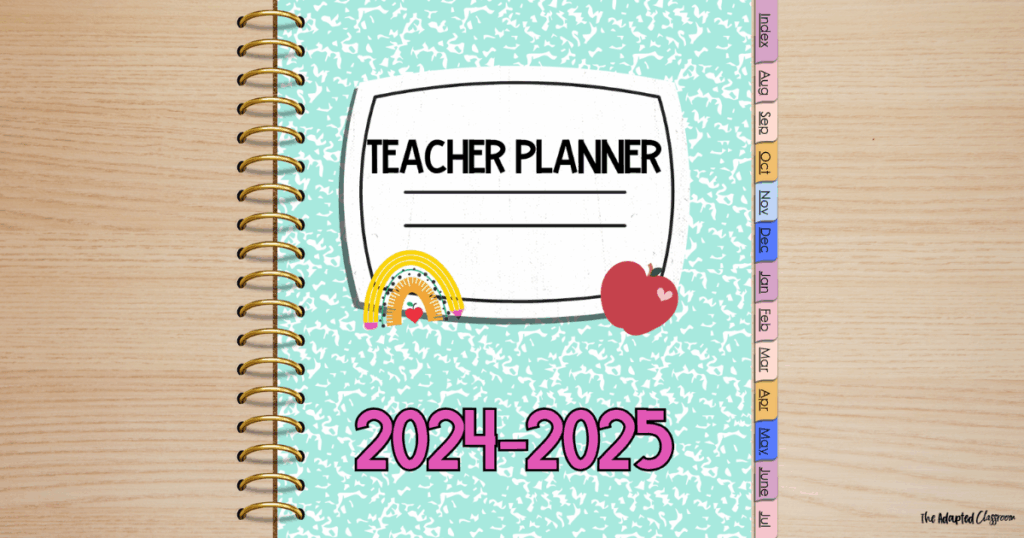
Want to make this whole scheduling process even easier? Check out the Special Education Teacher Planner I created!
This editable planner is packed with everything you need—daily schedule templates, attendance logs, lesson plans, and even IEP forms.
It’s also now available in DIGITAL FORMAT if you are not a paper planner!
And the best part? You get lifetime updates, so you’re set for years to come!
GRAB THE PLANNER HERE!
Creating a daily schedule for your severe and profound special needs classroom can seem a bit daunting at first, but with a little planning and a whole lot of heart, you can build a routine that works wonders for your students.
I’d love to hear from you:
What scheduling strategies have you found successful in your classroom? Let’s chat and share ideas!