Let’s talk centers—more specifically, using Unique Learning Systems (ULS) from News 2 You in your classroom centers. If you’re like me, finding the right resources for all of the individual student needs in your class can feel like a juggling act.
But ULS? It’s a game changer!
I want to share with you how I use ULS for our center rotations and make the most out of its helpful resources.
What is Unique Learning System?
If you’re not already using Unique Learning System (ULS) for your centers or during any part of your day in special education, you’re absolutely missing out!
Unique Learning System from n2y is an online, standards-based curriculum specifically designed to meet the unique needs of students with special needs, ranging from mild to severe and profound disabilities.
What makes ULS truly stand out is its differentiation features, which allow teachers to tailor our lessons and activities to fit each student’s abilities and learning style.
They offer materials in three differentiated levels:
- Level 1: For students with more profound needs, often those who are non-verbal or using assistive communication devices. The materials here focus heavily on sensory engagement and basic response actions. This is probably the level that I use the most in my severe and profound special education classroom.
- Level 2: This level is for students who are beginning to develop foundational skills in areas like literacy and numeracy. They may need significant support, but they can participate more directly in lessons and use visual supports.
- Level 3: These materials are for students who are approaching grade-level skills but still require adaptations. They may need some modifications but can engage more independently in lessons.
By offering these levels, ULS ensures that every student, no matter their ability, can access the curriculum and participate meaningfully in lessons.
One of the best things about ULS is how you can break down its content to fit into your daily rotations. I rely on ELA and Math every week, and when Science, Cooking, or Art lessons align, we use them on our “Fun Fridays.”
ELA Centers with ULS
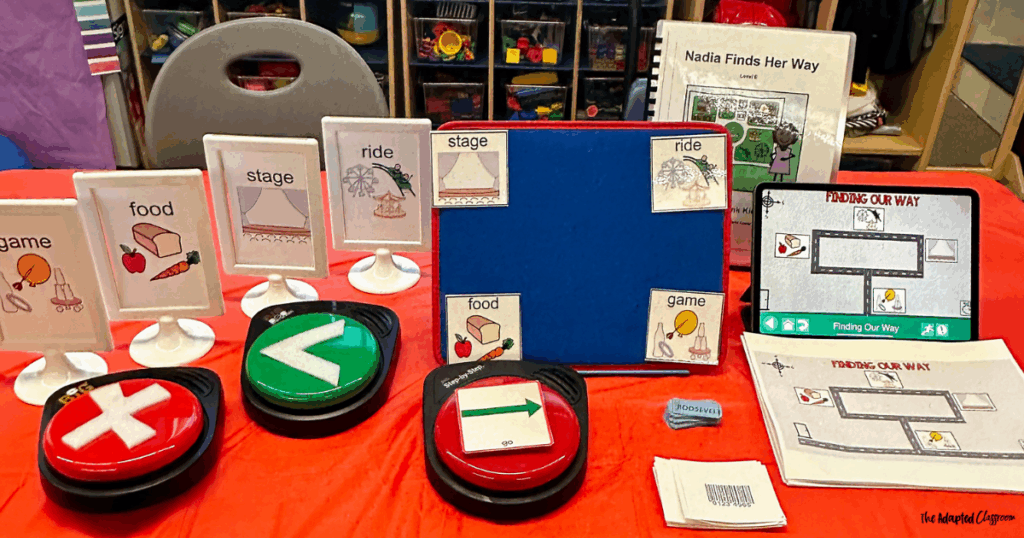
In my classroom, we always start with ELA centers because it sets the tone for the rest of the day. Here’s how I organize my rotations:
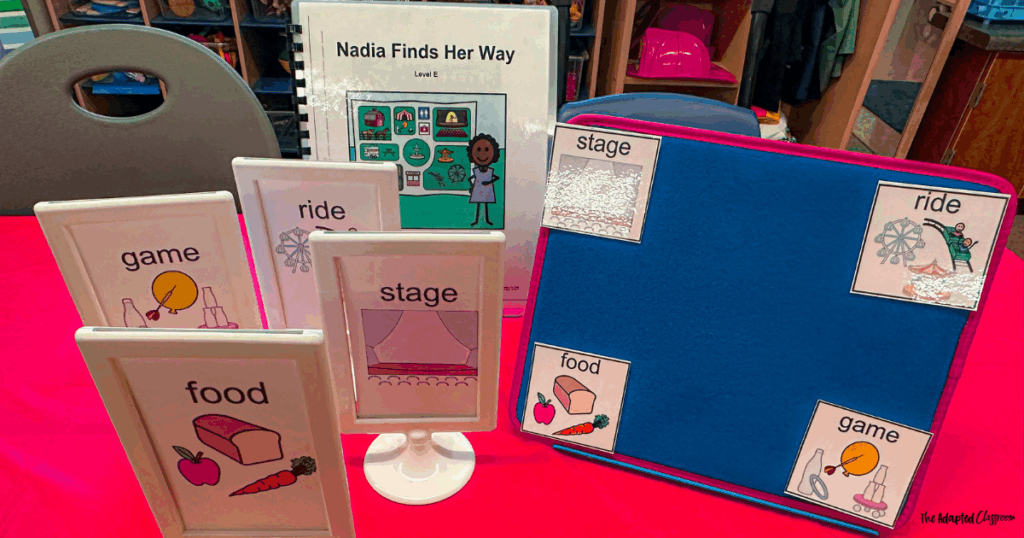
- ELA Center 1st Rotation: Read ULS Story
We begin by reading the story ULS provides for the week. I love that it comes in different levels, so all my students can access the same story, just at their ability level. I usually read it aloud first, then let students engage with the pictures or their AAC devices. They even come with core words! - ELA Center 2nd Rotation: Comprehension
Next up, comprehension! ULS makes this so easy with pre-made comprehension questions. I adapt them based on each student’s needs, whether it’s pointing to pictures, using switches, or verbal responses. This rotation is perfect for reinforcing those important reading skills and checking for understanding in a way that works for everyone.
Math Centers with ULS
When it comes to math, I like to focus on different skills each week, and ULS has activities ready to go that fit perfectly into this structure.
My favorite math unit from ULS is graphing. I adapt it to fit my student’s needs by having them take a survey out to recess to ask their peers. Then, when they return, we graph the results together.
Here’s an EXAMPLE of how I might organize my math centers based on the ULS activities for one month:
- Math Week 1: Count How Many
In the first week of math centers, we practice counting. ULS gives us visuals to work with, so students can practice counting objects and matching quantities to numbers. - Math Week 2: Who Has More?
In week two, we work on comparing quantities. “Who has more?” is an easy way for students to practice basic comparison skills and engage in conversations around math concepts. - Math Week 3: Add to 10
As we get deeper into the month, we focus on addition up to 10. ULS has great visuals for this, too, making it hands-on and engaging. - Math Week 4: Add to 20
To wrap up our math centers, we move on to adding up to 20. This progression ensures that students are building on their skills each week.
Fun Fridays with ULS
Every Friday, we like to switch things up and incorporate some fun, hands-on activities. Whether it’s Science, Cooking, or Art, these lessons fit perfectly into our Friday schedule, giving the students a break from the usual routine and a chance to explore different subjects in a creative way!
Make Scheduling Simple with the Special Education Planner
Managing ULS centers, staff breaks, student needs, and everything else that comes with running a special education classroom can get chaotic. That’s why I rely on my Special Education Planner to keep things organized. It has everything you need to track daily schedules, IEP goals, lesson plans, and more.
If you’re looking for a tool to help you plan your centers, stay on top of IEPs, and make scheduling smoother, this planner is a game-changer! You can check it out here and even use it digitally.