5 Easy Centers to Set Up in a Severe Special Education Classroom
Setting up centers in a severe special education classroom can feel like a bit of a puzzle, but it’s one of the most rewarding ways to ensure all our students get the structure and support that they need when they are on such different levels.
Having 5 designated centers—each with a specific focus—has helped keep my classroom flowing smoothly and ensures that we are hitting those IEP goals, building independence and creating more meaningful engagement every day.
Here’s a breakdown of how I organize my centers and why each one is an essential part of our day:
1. Teacher Center: Individualized Support and Assessment
This is center is the heart of the classroom! I use my teacher center for one-on-one time, focusing on each student’s IEP goals and completing their Unique Learning Systems assessments.
In this setting, I can really connect with each student to see how they’re progressing, tailor my teaching to what they need most, and provide that extra level of support. For me, this center is essential because it allows me to keep tabs on each student’s growth and make any necessary adjustments to our plans or approaches. Plus, it helps make sure I get in my data collection on their IEP goals each week.
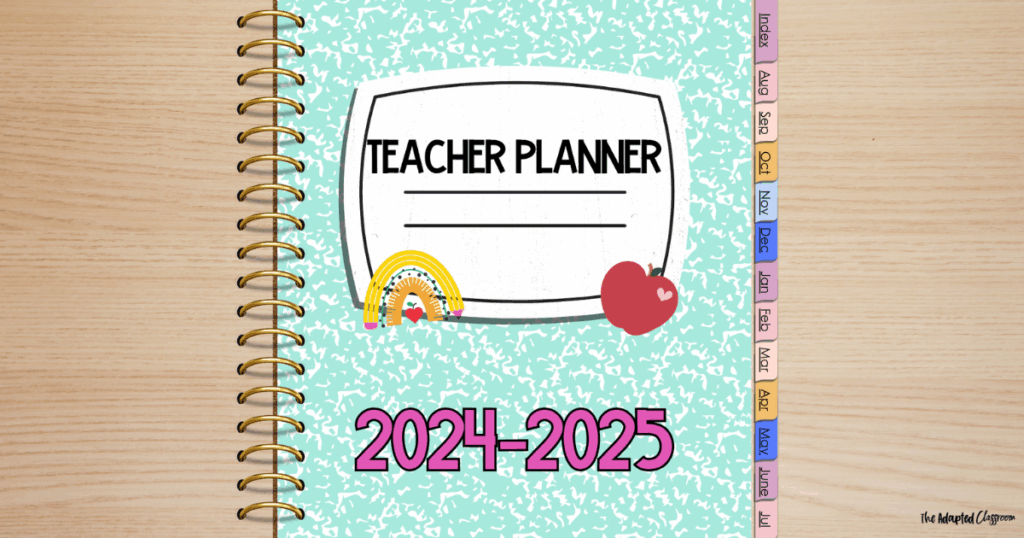
Pro Tip: I plan out all my IEP goals, assessments, and daily schedules in my Special Education Teacher Planner, which has been a lifesaver for staying organized and on track with each student’s goals!
2. Red Center: Fine Motor Fun
The remainder of my centers are color-coded. The red center is one of our “fun” centers focused on fine motor skills. We work on activities like puzzles, cutting and pasting and tasks that involve putting items in and taking them out. These activities might look simple, but they’re great for building hand-eye coordination and developing those foundational motor skills that are so crucial for all areas of learning. Fine motor is a huge area that my students need to work on, so it makes sense to dedicate an entire center to it.
Color coding the centers has been a game-changer because it provides a visual guide that helps students know where to go next! This definitely helps to build their independence.

3. Yellow Center: ELA/Literacy with ULS Activities
The Yellow Center is where we dive into ELA and literacy activities. Using Unique Learning System (ULS) resources has been a huge help here. This system provides differentiated materials tailored to meet the unique needs of each learner, so I know that my students are getting the support they need.
In this center, we typically start by reading the ULS story on one day, followed by a comprehension activity and some journal writing. Each week we rotate through different ELA activities to keep things fresh and engaging. (For more details on how I use ULS in my centers, check out my [blog post on using ULS in special education centers](link to the previous ULS blog post).)
4. Green Center: Math and Number Sense
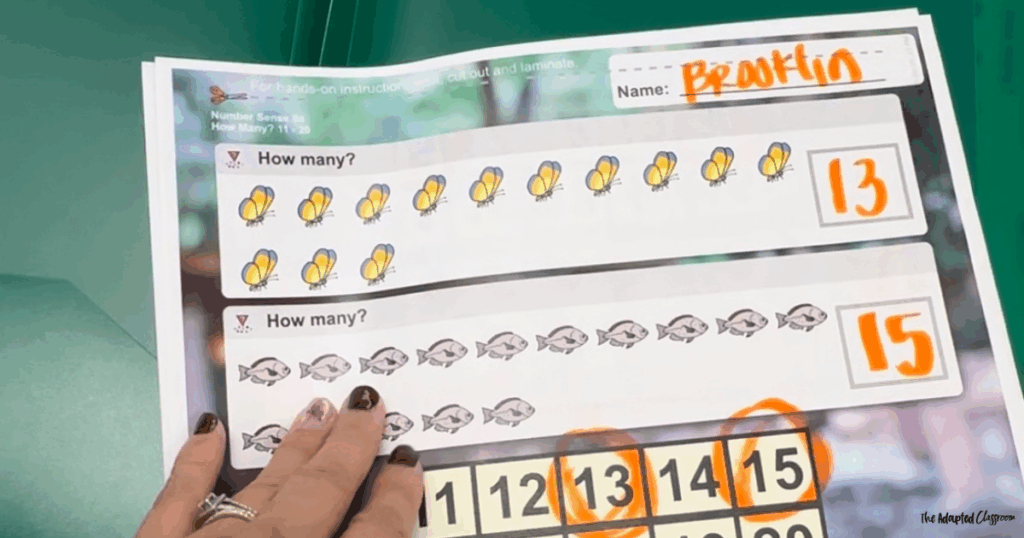
Our Green Center is all about math! Here, we tackle number recognition and number sense using ULS materials, breaking down concepts into manageable activities. For example, each week we’ll focus on different skills, like counting how many, comparing who has more, and practicing addition up to 10 or 20, depending on each student’s level.
Math can be challenging for some students, but using consistent activities with visual supports has been incredibly effective. Like with ELA, I keep track of my lesson plans and progress in the Special Education Daily Planner so I can see what’s working and plan next steps accordingly.
5. Blue Center: Independent Work
The Blue Center is our Independent Work Center. This center looks a bit different for each student, based on their abilities and needs. Some students are able to work on task boxes here, while others focus on cause-and-effect activities, like using their switches. My goal with this center is to help students build independence, even in small ways, which can be super empowering for them.
It’s also a great way to get some extra support for students who are ready to work on specific skills without immediate adult assistance. For our classroom, it’s a win-win because the independence it fosters frees up time for other one-on-one support that other students may need.
Want to know how I set up my entire special education classroom for students with severe needs? Read this post!
Using the Planner to Pull it All Together
Keeping these centers running smoothly takes a bit of planning and organization. This is where my Special Education Teacher Planner is a true lifesaver! With pages for daily schedules, IEP tracking, lesson planning, and even a space for center rotation schedules, it has everything I need to ensure our day runs smoothly and all the critical goals are covered.
Whether you’re setting up centers for the first time or looking to reorganize, I hope this breakdown helps!
I’d love to hear about your favorite center activities and what’s working for you—let’s share ideas!
GRAB THE PLANNER HERE!